8 Best Genesys Alternatives in 2026: Features, Pricing, Top Picks
Choosing contact center software is no longer just about routing calls. Businesses now need platforms that improve the full customer experience, support agents in real time, connect with everyday communication tools, and make it easier to manage costs at scale.
Genesys Cloud CX remains a powerful enterprise contact center platform, especially for organizations with complex customer experience operations. But for some teams, its implementation requirements, administrative complexity, and total cost can feel like more than they need.
That’s why many businesses are looking for Genesys alternatives that offer faster deployment, more predictable pricing, built-in AI, deeper Unified Communications as a Service (UCaaS) capabilities, and a simpler day-to-day experience for agents and administrators.
In this guide, we’ll compare the best Genesys alternatives, what each provider does well, and how to choose the right contact center platform for your business.
Genesys Alternatives at a Glance
Before diving into the detailed reviews, here’s a quick comparison of the top Genesys alternatives by best-fit use case, standout feature, and starting price.
| Provider | Best for | Business phone/UCaaS | Contact center/CCaaS |
|---|---|---|---|
| Nextiva | Unified UCaaS + CCaaS | From $15/user/mo | From $75/agent/mo |
| Talkdesk | AI-powered contact centers | Talkdesk Express from $25/user/mo | From $85/user/mo |
| Five9 | Enterprise outbound and omnichannel CCaaS | Not a standalone UCaaS provider | From $119/seat/mo |
| NICE CXone | Analytics and workforce engagement | Not priced separately | From $110/agent/mo |
| 8×8 | Global UCaaS + CCaaS | Custom quote | Custom quote |
| Dialpad | AI-powered calling and coaching | From $15/user/mo | From $80/user/mo |
| Amazon Connect | AWS-native contact centers | Not a standalone UCaaS provider | Usage-based; $0.038 per voice min (standard telephony rates apply) |
| Aircall | SMB voice and sales/support teams | From $30/license/mo (with a 3-license minimum) | Custom plan for advanced needs |
Strengths of Genesys Cloud CX
Genesys Cloud CX is a strong enterprise contact center platform. So before comparing alternatives, it’s worth understanding where the platform performs well and why large organizations continue to use it.
Enterprise-grade experience orchestration
Genesys Cloud CX is built for organizations that need to coordinate complex customer and employee experiences across the full customer journey. Its platform combines voice, digital channels, AI, journey analytics, customer engagement, and workforce management tools in one environment, which makes it especially useful for companies with large-scale CX operations.
Strong omnichannel engagement
Genesys is also strong in omnichannel engagement. It supports connected customer interactions across voice and digital channels, helping agents maintain context as customers move between touchpoints. Its omnichannel routing can use customer intent and interaction data to match customers with the best available resource.
Advanced routing and workforce engagement
This platform includes sophisticated routing and contact center management tools, including ACD skills, queue management, IVR routing, wrap-up codes, analytics, dashboards, and outbound campaign capabilities. Its workforce engagement management tools also support quality management features, coaching, scheduling, performance management, and real-time supervisor insights.
Broad AI and automation capabilities
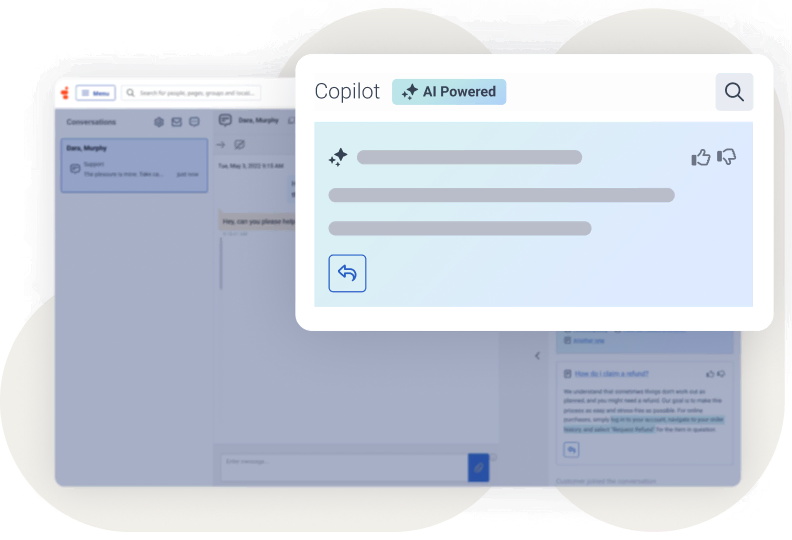
Genesys has invested heavily in AI across the customer and employee experience. Its AI capabilities include Agent Assist, Agent Copilot, AI Studio, virtual agents, predictive engagement, predictive routing, speech and text analytics, social listening, bots, and Supervisor Copilot. Genesys says all Cloud CX plans are natively enabled with ready-to-use AI, though some advanced AI capabilities require AI Experience tokens.
Why Teams Look for Genesys Alternatives
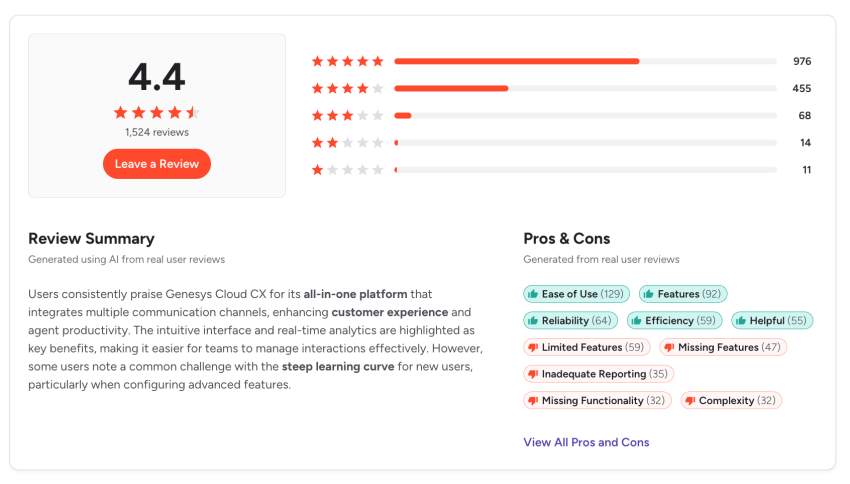
Genesys Cloud CX is a powerful enterprise contact center platform, but not every business needs that level of complexity. Teams often start looking for Genesys alternatives when they want a platform that is easier to manage, more predictable to budget for, or better suited to their UCaaS and contact center needs.
Advanced capabilities may require higher tiers or add-ons
Genesys offers a broad set of advanced features, but some teams may need to add or upgrade features depending on their plan. Genesys lists add-ons for digital channels, workforce engagement management, AppFoundry integrations, work automation, analytics, speech and text analytics, and other capabilities.
Implementation and administration can be resource-intensive
Managing Genesys requires a dedicated, certified administrator as it is designed for sophisticated contact center environments with voice, digital channels, AI, workforce engagement, journey management, routing, analytics, and automation. That depth is valuable for enterprise teams, but it can create more setup, configuration, and day-to-day administration than smaller or leaner teams want to manage.
UCaaS may not be the primary platform strength
Genesys does offer collaboration tools, including messaging, voice, video, and integrations with existing UCaaS providers. However, its core strength is still enterprise contact center and experience orchestration. Businesses that want a phone system, team messaging, video meetings, and contact center tools built around everyday UCaaS workflows may prefer a more communications-first platform.
Smaller teams may not need enterprise-level complexity
For small and mid-sized businesses, Genesys can be more platform than they need. Teams that mainly want reliable calling, routing, reporting, CRM integrations, and light automation may find that a simpler alternative delivers faster time to value with less training and administrative overhead.
Total cost can be harder to predict with usage-based services
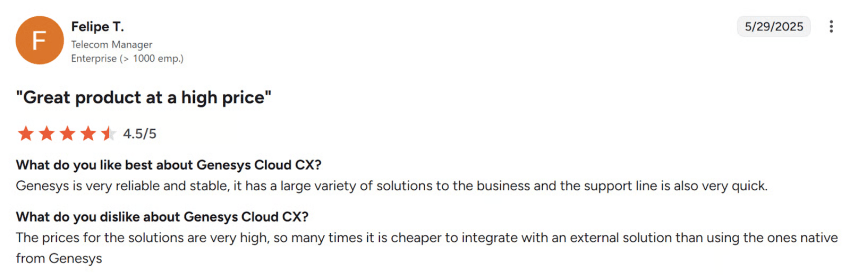
Genesys Cloud pricing can include a mix of licenses, add-ons, usage-based services, AI tokens, and optional capabilities. For teams trying to forecast monthly spend, this can make the total cost harder to estimate than a simpler platform with more bundled features and clearer plan-based pricing.
Before booking demos, get clear on the gaps you’re trying to close. The most useful Genesys alternatives line up against the specific weaknesses teams cite when they leave, so use this as a working checklist when you’re comparing platforms.
Native UCaaS and CCaaS capabilities
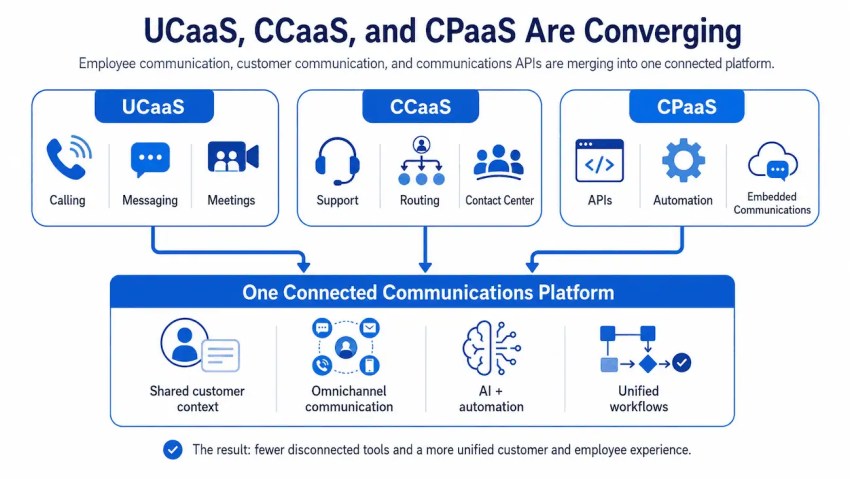
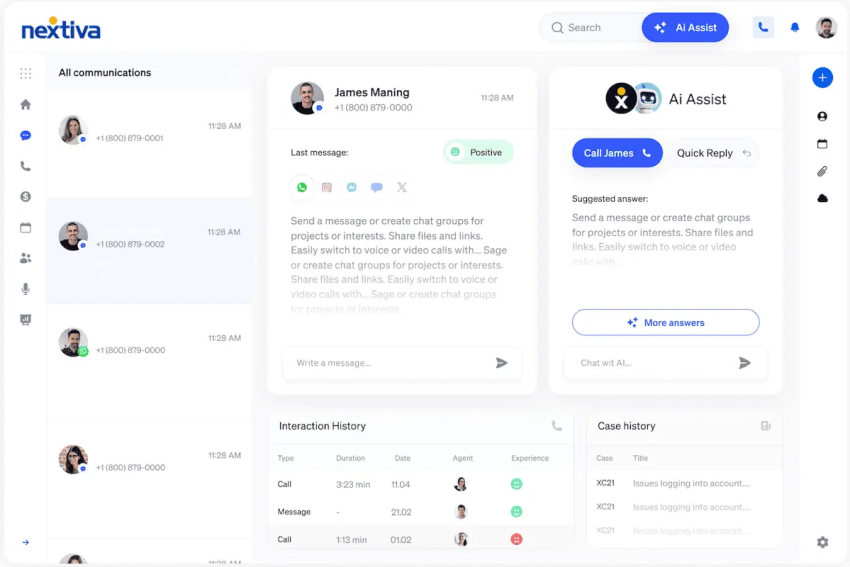
Look for platforms that combine internal communication and customer engagement in one system. Ideally, your team should be able to manage business calling, contact center interactions, team messaging, video meetings, and customer conversations without relying on several separate tools. You don’t want to have to maintain a separate Zoom or Teams contract just to bridge the gap Genesys leaves open.
Strong omnichannel and voice routing
If your team manages high call volume or customer conversations across multiple channels, confirm that the platform ships progressive, power, or predictive dialing in a standard plan rather than as a paid add-on. Look for features like IVR, skills-based routing, call queues, callbacks, SMS, chat, email, and social messaging, along with outbound tools such as preview, progressive, power, or predictive dialing if your team depends on outreach.
Practical AI and automation features
AI should be useful at the plan level you actually intend to buy. Compare features like live transcription, agent assist, post-call summaries, sentiment analysis, digital virtual agents, automated QA, and AI-powered routing. During demos, ask which AI features are included, which require add-ons, and how much usage is covered.
Transparent total cost
Get a written quote that includes licenses, telephony minutes, AI usage, compliance fees, implementation costs, required add-ons, and contract minimums. Per-seat pricing rarely tells the full story, especially for contact center platforms with usage-based services or advanced feature packages.
Security and compliance fit
Make sure the platform meets your organization’s security, privacy, and regulatory needs. Depending on your industry, this may include MFA, end-to-end encryption, audit logging, HIPAA, PCI-DSS, SOC 2, GDPR, or other compliance requirements. Confirm which protections are included in the plan you’re buying and which require higher tiers.
Admin experience for non-IT teams
A contact center supervisor should be able to update routing, add agents, adjust queues, change IVR flows, and view performance reports without waiting on a certified administrator or IT ticket. The easier the platform is to manage, the faster your team can respond to operational changes.
Integration depth, not just integration count
Vendor pages often list dozens or hundreds of integrations, but the real test is how well those integrations work. Ask whether the platform can surface customer context on the agent screen, sync activity back to your CRM or help desk, trigger workflows, and reduce manual logging. Always watch the integration work in a live demo before signing.
How We Evaluated the Best Genesys Alternatives
To build this list, we reviewed leading contact center, CCaaS, and business communications platforms that teams commonly compare against Genesys Cloud CX. Our evaluation used publicly available product documentation, vendor websites, feature pages, published pricing where available, and customer feedback from third-party review sites.
Each provider was selected based on how well it fits different business needs, from SMBs looking for a simpler Genesys alternative to enterprise teams that need advanced contact center technology, omnichannel engagement, and AI-powered customer experience tools.
Here are the factors we focused on when reviewing Genesys alternatives:
- CCaaS and omnichannel depth: We looked at each provider’s core contact center capabilities, including voice, chat, SMS, email, social messaging, IVR, ACD, skills-based routing, queues, callbacks, call recording, and unified agent workspaces.
- UCaaS and internal collaboration fit: We considered whether each platform combines customer-facing contact center tools with internal communication features like business phone, team messaging, video meetings, and collaboration tools.
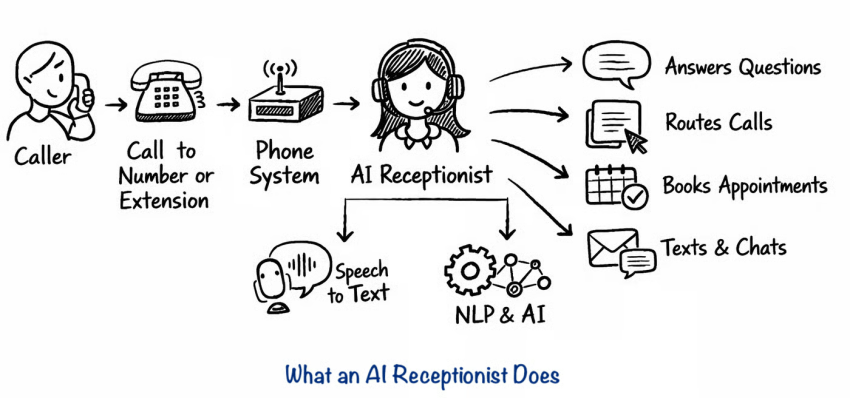
- AI and automation capabilities: We evaluated practical AI features such as agent assist, call transcription, post-call summaries, virtual agents, AI receptionist or employee, sentiment analysis, predictive routing, automated QA, and workflow automation.
- Ease of deployment and administration: We prioritized platforms that are easier to configure and manage, especially for teams that want supervisors or operations managers to update routing, queues, users, and reports without relying heavily on IT.
- Pricing transparency and total cost of ownership: We reviewed published pricing, quote-based plans, add-ons, usage-based fees, AI costs, implementation expenses, contract minimums, and whether essential features are included or gated behind higher tiers.
- WFM, QA, analytics, and supervisor tools: We compared workforce management, quality management, performance dashboards, reporting, coaching, forecasting, and real-time visibility for supervisors.
- Integration depth: We looked beyond the number of integrations listed on vendor websites and considered how well each platform connects with CRMs, help desks, productivity tools, and business systems to surface context and reduce manual work.
- Security, compliance, and reliability: We considered features and standards such as MFA, role-based permissions, audit logs, encryption, HIPAA, PCI-DSS, SOC 2, GDPR, uptime commitments, and global reliability.
- Support and migration experience: We reviewed onboarding resources, implementation support, live support availability, documentation, professional services, and customer feedback on support quality.
8 Best Genesys Alternatives (Detailed Reviews)
Here are the top alternatives to Genesys worth exploring in 2026.
1. Nextiva: Best overall alternative for unified CX
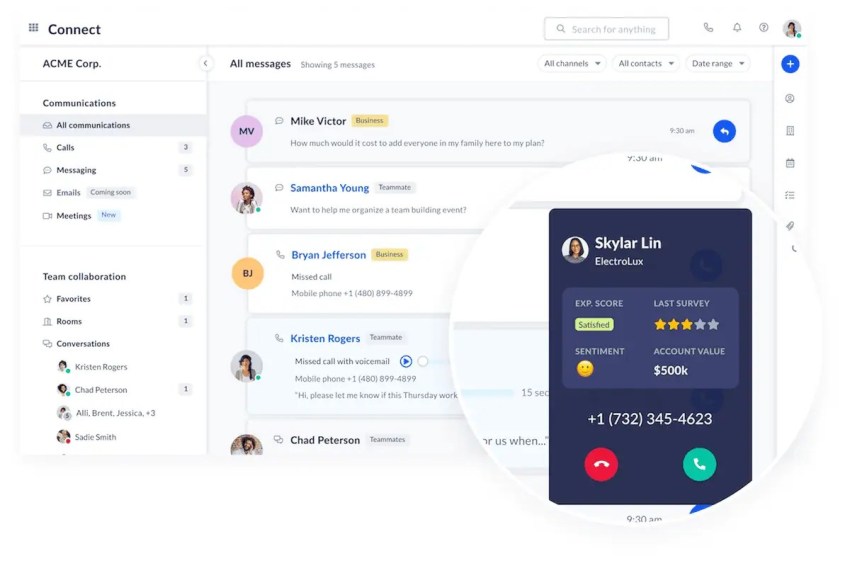
Nextiva is a unified customer experience platform that puts voice, video, SMS, team chat, and contact center capabilities on a single backbone. The contact center side covers omnichannel routing, AI receptionist (XBert), workforce management, and a visual call flow builder, all sharing the same data and admin layer as the rest of the communications stack.
For teams shopping for Genesys, the structural difference is the lack of an integration project. Genesys is a CCaaS-only product, so connecting it to internal collaboration tools or pulling unified reporting across customer and team interactions usually means custom API work. Nextiva consolidates both sides into one product, which removes a category of cost and the certified-admin overhead that Genesys is known for.
How it differs from Genesys
Nextiva ships UCaaS and CCaaS as one product, while Genesys requires you to bolt on a separate video and collaboration tool to cover the same ground.
Key features:
- NextivaONE omnichannel workspace: One interface for calls, texts, emails, and internal team collaboration, so an agent can loop in a billing expert via video or chat without switching apps.
- Agentic AI (XBert): Autonomously handles appointment scheduling, lead qualification, and CRM logging.
- Visual workflow builder: Drag-and-drop IVR and routing designer that a supervisor can edit for a holiday weekend without filing a ticket.
- 99.999% uptime and 24/7 support: Carrier-grade reliability with human support included on every plan, not gated by tier.
Pricing:
- Business phone plans from $15/user/mo
- Contact center plans from $75/agent/mo
Best for
Mid-market and growing teams that want unified communications and a contact center on one platform without a multi-vendor stack.
Pros:
- Breaks down silos between front-line and back-office teams
- Intuitive for both agents and administrators, reducing training time
- 24/7 support included on every plan
Cons:
- May be more than a simple call-only operation needs
2. Talkdesk: Best for AI-powered customer experience
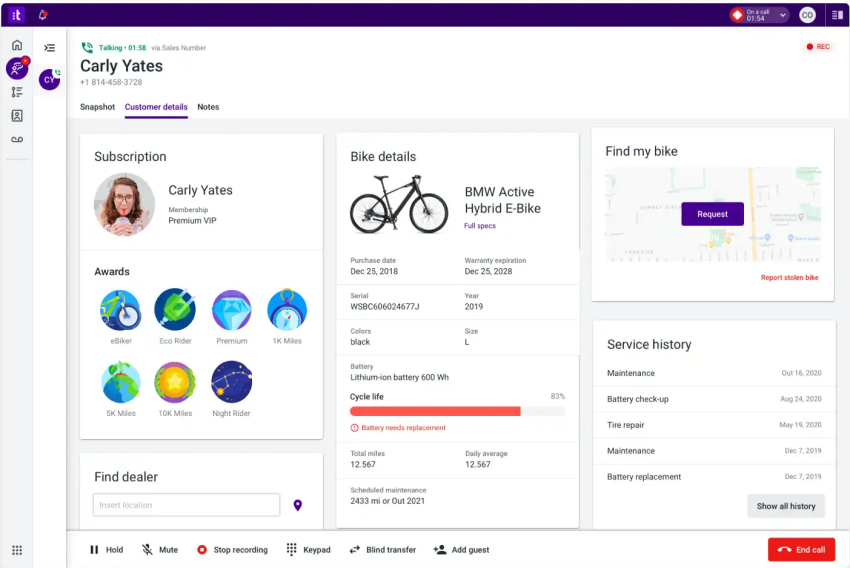
Talkdesk is a cloud contact center built around its AI Studio, a low-code environment for designing automated customer journeys, agent-assist behaviors, and analytics workflows. The platform also ships vertical Industry Experience Clouds for sectors like healthcare and financial services, with pre-built compliance and integration patterns.
The pull for Genesys evaluators is the build experience. Genesys can do most of what Talkdesk does, but customizing flows and AI behaviors usually means a developer or a partner. Talkdesk’s no-code AI Studio puts the same kind of configuration into the hands of CX ops teams, which shortens the cycle between an idea and a live change in production.
How it differs from Genesys
Talkdesk’s no-code AI Studio lets a CX ops lead build and ship workflow changes without a developer, where Genesys typically routes the same work through partners or internal IT.
Key Talkdesk features:
- Talkdesk Studio: No-code visual editor for designing and modifying customer journeys.
- AI Agent Assist: Real-time, next-best-action recommendations surfaced inside the agent workspace.
- AppConnect marketplace: 100+ out-of-the-box integrations across CRMs, helpdesks, and productivity tools.
- Customer experience analytics: Machine learning-driven analysis of customer feedback, sentiment, and operational data.
Pricing:
- Business phone plans from $25/user/mo
- Contact center plans from $85/user/mo
Best for
Teams that want to own their AI and workflow customization without a permanent developer or systems integrator on the bench.
Pros:
- Strong tools for automating workflows
- Visual flow builder is intuitive and powerful
- Industry-specific Experience Clouds for regulated verticals
Cons:
- Pricing climbs quickly once AI add-ons are layered in
- Best support options are reserved for higher-priced plans
3. Five9: Best for enterprise outbound contact centers
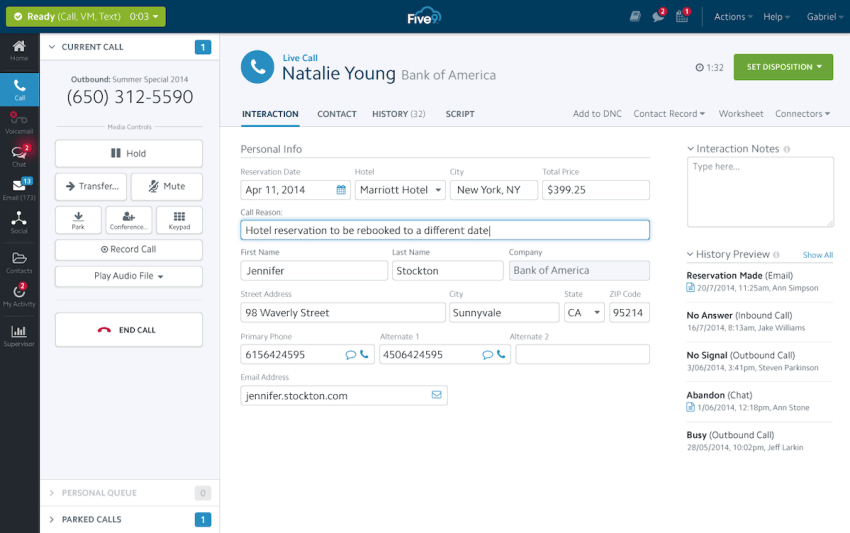
Five9 is the dedicated enterprise CCaaS that built much of its reputation on outbound dialing. The platform covers inbound, outbound, and digital channels, but where it actually leads is its predictive dialer maturity, which is the standard reference point for high-volume telemarketing, collections, and sales operations.
For Genesys shoppers, the comparison usually turns on outbound depth. Both vendors handle voice, omnichannel, and AI at the enterprise tier, and feature-by-feature, they’re closer than most other pairs on this list. Five9 tends to win when predictive dialing volume, agent productivity tooling, and dialer-specific analytics are the deciding factors.
How it differs from Genesys
Five9 treats predictive dialing as a core differentiator, while Genesys offers dialer modes as one capability among many without the same level of investment.
Key Five9 features:
- Intelligent cloud contact center: A full suite of inbound, outbound, and omnichannel features.
- Advanced predictive dialer: A market-leading solution for outbound sales and marketing campaigns.
- AI-powered automation: Includes agent assist, call summaries, chatbots, and virtual agents.
- Workforce optimization: A complete suite for quality management, scheduling, and performance.
Pricing:
- Not a standalone UCaaS provider
- Contact center plans from $119/seat/mo
Best for
Large outbound-focused operations like sales, collections, and telemarketing that need predictive dialer performance at scale.
Pros:
- Best-in-class predictive dialer
- High uptime and proven enterprise scale
- Strong WFM and analytics stack
Cons:
- Expensive with long contract minimums
- Can feel heavy for smaller or non-outbound teams
4. NiCE CXone: Best for workforce engagement and analytics
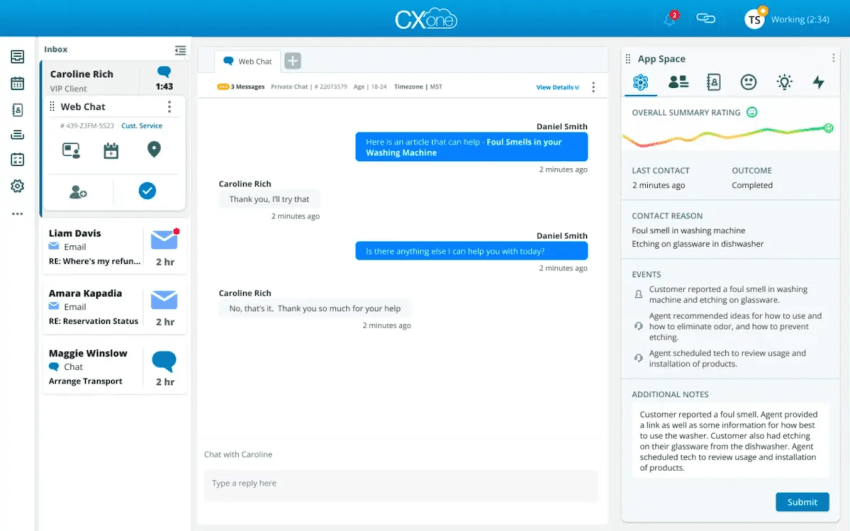
NiCE CXone is an enterprise contact center known primarily for the depth of its workforce optimization and analytics stack. Enlighten AI handles real-time agent coaching and automated quality management, and the WFO suite covers forecasting, scheduling, and agent development at a level most competitors don’t try to match.
The Genesys overlap is significant at the enterprise tier, and both vendors regularly appear on the same shortlist. NiCE tends to win when the deciding factor is shaving seconds off average handle time through micro-coaching, deep customer journey analytics, or large-scale workforce management. Genesys tends to win when the priority is customer journey orchestration and configuration flexibility.
How it differs from Genesys
NiCE CXone leads on WFO depth and analytics tooling, while Genesys leads on journey orchestration and platform configurability.
Key features:
- Enlighten AI: Real-time agent coaching and automated quality management.
- WFO suite: Forecasting, scheduling, and agent development tools that go beyond what most CCaaS platforms ship.
- Journey orchestration: Mapping, analysis, and management of customer journeys across channels.
- Omnichannel routing: Unified routing across voice and digital channels.
Pricing:
- Business phone plans not priced separately
- Contact center plans from $110/agent/mo
Best for
Large contact centers where workforce optimization, micro-coaching, and analytics depth are the primary investment areas.
Pros:
- Robust analytics and AI coaching
- Industry-leading workforce optimization
- Strong fit for high-agent-count operations
Cons:
- Complex to configure and manage effectively
- Among the more expensive options on this list
5. 8×8: Best for global contact center needs
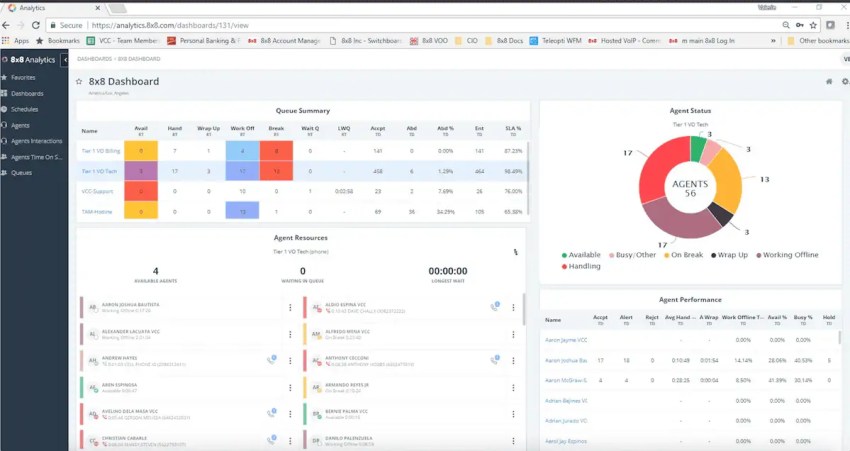
8×8 sells UCaaS and CCaaS together under a single XCaaS umbrella, with full PSTN replacement and local numbers in 55+ countries. The platform pairs omnichannel routing with built-in unified communications, plus speech and text analytics for conversation insights.
For teams evaluating Genesys, the consolidation argument is the main draw. Where Genesys leaves you to source UCaaS separately and manage two platforms for internal and external communications, 8×8 handles both under one SLA and one bill. That single-vendor footprint matters most for organizations operating across multiple regions with regulatory or cost-of-ownership pressure.
How it differs from Genesys
8×8 bundles UCaaS and CCaaS with a 99.999% SLA covering both, where Genesys handles CCaaS only and leaves the UCaaS layer to a separate vendor.
Key features:
- Omnichannel routing: Voice, web chat, email, SMS, and social channels in one agent workspace.
- Global PSTN: Local numbers and full telephony replacement in 55+ countries.
- Speech and text analytics: AI-driven insight into customer conversations across channels.
- Unified UCaaS and CCaaS: One platform for internal collaboration and external customer service under a shared SLA.
Pricing:
- Business phone plans by custom quote
- Contact center plans by custom quote
Best for
Mid-to-large enterprises with global operations that want to consolidate UCaaS and CCaaS under one vendor.
Pros:
- Genuinely integrated UCaaS and CCaaS, not bolted together
- Strong international footprint
- 99.999% SLA covers both contact center and business communications
Cons:
- No published pricing makes comparison shopping harder
- Interface feels less modern than some newer competitors
6. Dialpad: Best for AI-powered and sales & support teams

Dialpad takes an AI-first approach to the contact center, with live transcription, sentiment analysis, and agent assist running on every call by default. Real-time AI Assist Cards appear on the agent’s screen during conversations with the talking points or answers they need, and post-call summaries are generated automatically.
Against Genesys, the AI economics are what stand out. Genesys offers comparable AI capabilities at the enterprise tier, but they typically require add-on SKUs or higher-priced plans. Dialpad includes them at the entry level, which makes a real difference for support and sales teams where reviewing and coaching conversations is a daily workflow rather than an occasional exercise.
How it differs from Genesys
Dialpad includes live transcription, sentiment, and agent-assist on its entry plan, where Genesys treats the same capabilities as enterprise-tier add-ons.
Key features:
- Dialpad AI: Live transcription, sentiment analysis, and on-screen agent assist on every call.
- AI-generated summaries: Automatic post-call summaries with topics and action items, removing manual wrap-up.
- Unified platform: Voice, video, messaging, and contact center in a single application.
- Visual IVR designer: Code-free interface for building and modifying call flows.
Pricing:
- Business phone plans from $15/user/mo
- Contact center plans from $80/user/mo
Best for
Sales and support teams that depend on live coaching, transcription, and AI summaries as part of their daily workflow.
Pros:
- Live transcription and coaching are standard, not a pricey add-on
- Built as an all-in-one platform from day one
- Modern, web-first interface
Cons:
- Contact center entry point is higher than some competitors
- Less established in large-scale enterprise deployments than Genesys
7. Amazon Connect: Best for AWS-native contact centers
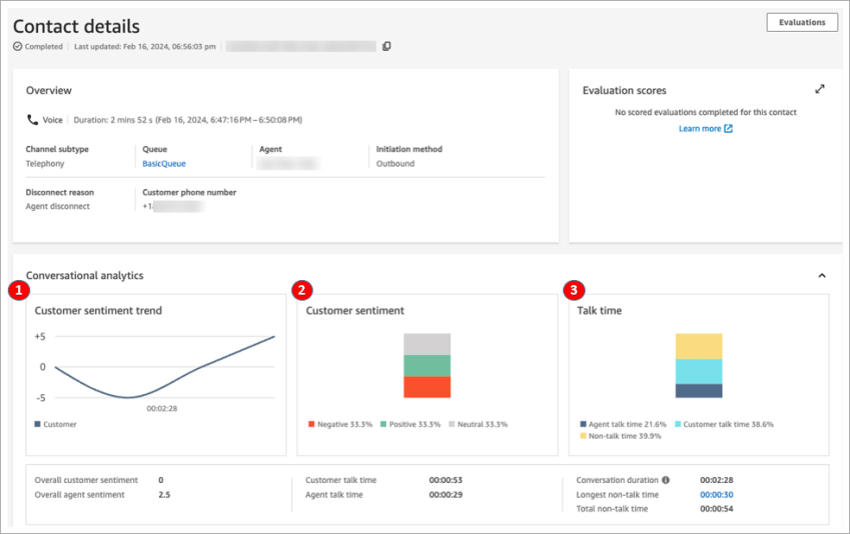
Amazon Connect is a build-your-own contact center delivered as a set of AWS services. There are no per-seat licenses or contract minimums. You pay per minute of voice, per chat message, and per AI features used, and you assemble the experience using AWS components like Lambda for custom logic, Lex for bots, and Bedrock for generative AI.
The shape of the trade-off versus Genesys is different from anything else on this list. Genesys is a packaged enterprise product with a fixed shape and predictable seat costs. Amazon Connect gives you a flexible foundation and effectively no upfront commitment, but you’re responsible for building, integrating, and operating the contact center yourself. For AWS-native teams with engineering capacity, that’s a feature. For everyone else, it’s an obstacle.
How it differs from Genesys
Amazon Connect runs on per-minute usage pricing with no licenses or contracts, while Genesys works on seat-based licensing with multi-year minimums and a packaged feature set.
Key features:
- Pay-as-you-go pricing: No licenses or contracts. You pay per voice minute, per chat message, and per AI features used.
- Drag-and-drop contact flows: Visual builder for IVRs, routing, and automated interactions.
- Contact Lens: Pay-per-use transcription, sentiment analysis, and conversation analytics.
- Deep AWS integration: Native connections to S3, Lex, Lambda, and the rest of the AWS service catalog.
Pricing:
- Not a standalone UCaaS provider
- Contact center plans are usage-based; $0.038 per voice min (standard telephony rates apply)
Best for
AWS-native teams with engineering capacity and variable call volumes that don’t fit a per-seat pricing model.
Pros:
- High scalability and customizability
- No contracts, cost-effective for variable call volumes
- Native integration with the AWS ecosystem
Cons:
- A developer’s tool, not an out-of-the-box product
- Hard to forecast monthly spend; bills can swell unexpectedly
8. Aircall: Best for small sales and support teams

Aircall is a voice-first cloud phone built for sales and support teams that want fast deployment and tight CRM integration. It sets up in minutes, ships with 100+ one-click integrations across Salesforce, HubSpot, Zendesk, and the usual SMB stack, and gives managers live monitoring features like call whispering, barging, and coaching.
Aircall isn’t a Genesys replacement in any technical sense and doesn’t try to be. It shows up on this list because a meaningful share of Genesys evaluators look at the platform, decide it’s overbuilt for their actual needs, and end up looking at lighter, simpler tools. For a sales team of 20 that’s been pitched a $150-per-seat enterprise CCaaS, Aircall is often the honest answer.
How it differs from Genesys
Aircall is up and running in minutes for less than a quarter of the per-seat cost, while Genesys requires an implementation project and a certified administrator to operate.
Key features:
- Fast setup: New phone numbers and routing in minutes, not weeks.
- CRM and helpdesk integrations: One-click connectors for Salesforce, HubSpot, Zendesk, and 100+ others.
- Live call monitoring: Whispering, barging, and live coaching for managers.
- Shared call inbox: Collaborative space for teams to manage and follow up on voicemails and calls.
Pricing:
- Business phone plans from $30/license/mo (with a 3-license minimum)
- Custom plan for advanced needs
Best for
SMB and mid-market sales and support teams that need a fast, voice-first phone system with strong CRM integration.
Pros:
- Simple, clean interface requires minimal training
- One of the largest integration marketplaces in SMB voice
- Pricing is a fraction of full enterprise CCaaS platforms
Cons:
- Not a complete omnichannel platform; lacks native email and chat queues
- No workforce management or deep AI analytics
Which Genesys Alternative Should You Choose?
Your individual priorities matter when choosing a contact center provider. The best Genesys alternative depends on your team size, budget, technical resources, and customer experience goals.
Use this table to match each provider to the situation where it fits best:
| If you need… | Choose… |
|---|---|
| A unified UCaaS and CCaaS platform that brings internal collaboration and customer communications together | Nextiva |
| Enterprise-grade outbound capabilities for high-volume sales, service, or collections teams | Five9 |
| Advanced analytics, workforce engagement, and contact center optimization tools | NICE CXone |
| AI-powered customer experience workflows and automation for larger support teams | Talkdesk |
| Real-time AI, call transcription, coaching, and sales-focused conversation intelligence | Dialpad |
| Global voice, video, messaging, and contact center capabilities in one platform | 8×8 |
| Usage-based pricing and deep flexibility for teams already integrated into the AWS ecosystem | Amazon Connect |
| A user- and budget-friendly voice platform for SMB sales and support teams that need simpler call center tools | Aircall |
Genesys is a powerful platform, but many growing businesses don’t need the complexity, cost, or administrative burden that often comes with enterprise contact center software. Nextiva offers a more practical alternative: a unified platform that brings together UCaaS, CCaaS, AI-powered tools, analytics, and customer communication features in one place.
With Nextiva, teams can manage internal collaboration and customer interactions without stitching together separate systems or relying heavily on IT support. Businesses get the reliability and scalability they need, plus 24/7 support and an easier day-to-day experience for agents, supervisors, and administrators.
For companies that want enterprise-ready communication capabilities without enterprise-level complexity, Nextiva is a strong Genesys alternative built for growth.
Your Complete Contact Center Solution
Create amazing customer experiences with AI-powered contact center software. Scalable contact center platform built for omnichannel customer conversations.
Genesys Alternatives FAQs
Genesys competes with several contact center and communication platforms such as Nextiva, Talkdesk, Five9, NiCE CXone, 8×8, Dialpad, Amazon Connect, and Aircall. These providers offer cloud-based solutions for customer support, team collaboration, and call routing. Each of them focuses on improving the customer experience through flexible communication tools and modern analytics.
The most popular alternative to Genesys is Nextiva, mainly for businesses that want to combine their phone system (UCaaS) and contact center (CCaaS) into one platform. For pure enterprise-scale outbound calling, Five9 is the top choice, while Talkdesk is the leading alternative for those prioritizing low-code AI automation.
For many small to mid-market businesses, Genesys can be expensive due to its enterprise pricing structure, which includes high minimum commitments and additional fees for professional implementation. Alternatives like Nextiva or Aircall offer more transparent, flat-rate pricing that scales more affordably.
For small businesses, Nextiva and Aircall are great choices. They offer reliable calling, analytics, and integrations at a lower price point. These platforms are easier to set up and manage, which helps teams start faster without heavy IT support. They also provide the scalability small teams need as their customer base grows.
While a Genesys implementation can take months, cloud-based call center software like Nextiva can be deployed in days or weeks, depending on the complexity of your routing and CRM integrations.
Genesys is usually the better choice for teams that want cloud-native, enterprise-grade omnichannel contact center software with strong AI features and experience orchestration. Avaya may be a better fit for organizations already invested in Avaya infrastructure that want to modernize gradually rather than fully replace their existing contact center solution.
Neither platform is universally better. NICE CXone is strong for workforce engagement, analytics, and broad AI capabilities across the CX journey, while Genesys Cloud CX is a better fit for companies that prioritize enterprise experience orchestration and flexible contact center technology across channels.
No. Salesforce is not buying Genesys. In 2025, Salesforce and ServiceNow announced a $1.5 billion investment in Genesys, but Genesys said Hellman & Friedman and Permira would remain majority shareholders.